


How to Pack Your Home Efficiently
- Alex Fos`
- Oct 7, 2025
- 4 min read

Packing your home can be a daunting task, especially when you want to ensure everything is safe and organized for your move. Efficient packing not only saves time but also reduces stress and prevents damage to your belongings. Whether you are moving across town or across the country, using professional packing services can make a significant difference. This guide will walk you through practical tips and strategies to pack your home efficiently, including insights on packing services and cost considerations.
Why Choose Professional Packing Services?
Hiring professional packing services can transform your moving experience. These experts have the skills, materials, and experience to pack your belongings securely and efficiently. Here are some key benefits:
Time-saving: Professionals can pack your home much faster than you can on your own.
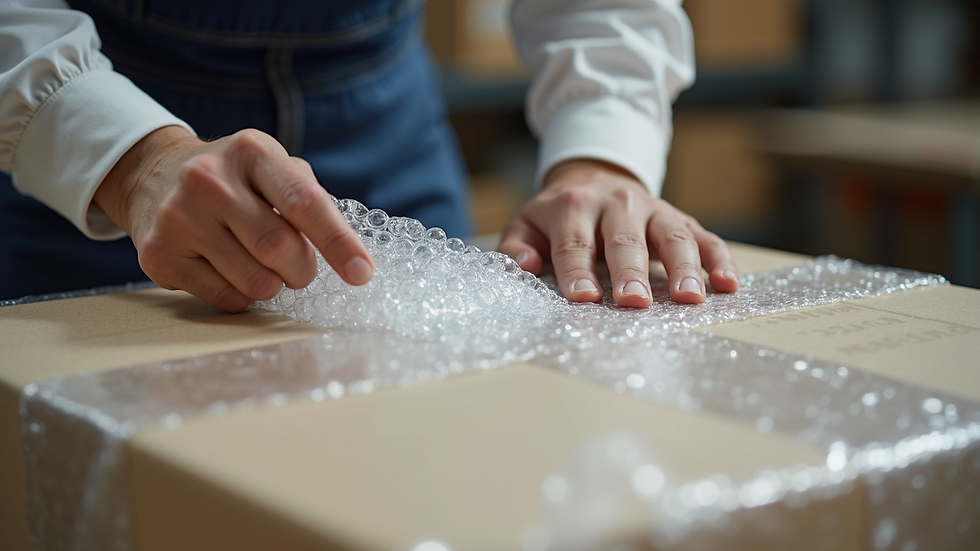
Proper materials: They use high-quality boxes, bubble wrap, and packing paper to protect fragile items.
Expert handling: Fragile and valuable items are packed with care to avoid damage.
Stress reduction: You can focus on other moving tasks while the packing team handles the heavy lifting.
If you want to learn more about professional home packing, check out this resource for detailed information and services.
Tips for Packing Your Home Efficiently with Packing Services
Even if you hire packing services, there are steps you can take to make the process smoother and more efficient:
1. Start Early and Plan Ahead
Begin packing well in advance of your moving day. Create a packing schedule that breaks down tasks by room or category. This helps avoid last-minute chaos and ensures everything is packed systematically.
2. Declutter Before Packing
Go through your belongings and decide what to keep, donate, or discard. Packing fewer items means less to move and unpack later. It also reduces costs if you are paying by volume or weight.
3. Label Boxes Clearly
Label each box with its contents and the room it belongs to. Use color-coded labels or markers to make unpacking easier. This helps movers know where to place boxes in your new home.
4. Pack Room by Room
Focus on one room at a time to stay organized. This method prevents mixing items from different rooms and makes unpacking more straightforward.
5. Use Quality Packing Materials
If you are packing some items yourself, invest in sturdy boxes, packing tape, bubble wrap, and packing paper. Avoid using old or damaged boxes that can break during transit.
6. Protect Fragile Items
Wrap fragile items individually with bubble wrap or packing paper. Use dividers for glassware and pack dishes vertically to reduce the risk of breakage.
7. Keep Essentials Separate
Pack a separate box or bag with essentials like toiletries, a change of clothes, important documents, and basic kitchen items. This box should be easily accessible on moving day.
How much does it cost to pack a 2000 sq ft house?
The cost of packing a 2000 square foot house varies depending on several factors such as the amount of belongings, the level of service, and your location. Here’s a general breakdown:
Full packing service: This includes packing all your belongings by professionals. The cost can range from $1,000 to $3,000 or more.
Partial packing service: You can choose to have only fragile or valuable items packed professionally. This option is usually less expensive, around $500 to $1,500.
DIY packing with materials: If you pack yourself but buy packing materials, expect to spend $200 to $600 on boxes, tape, and protective supplies.
Additional factors that influence cost include:
Specialty items: Pianos, artwork, and antiques may require extra care and fees.
Accessibility: If your home has stairs or limited parking, packing and moving may cost more.
Timing: Moving during peak seasons or weekends can increase prices.
To get an accurate estimate, it’s best to request quotes from local packing services and compare what is included.

Organizing Your Packing Process for Maximum Efficiency
Efficient packing is not just about putting items in boxes. It’s about organizing the entire process to save time and reduce stress. Here are some organizational tips:
Create an inventory list: Keep track of what you pack and where it goes. This helps during unpacking and if you need to file insurance claims.
Use uniform box sizes: Standard-sized boxes stack better and make loading easier.
Pack heavy items in small boxes: This prevents boxes from becoming too heavy to carry.
Fill empty spaces: Use towels, clothing, or packing paper to fill gaps in boxes and prevent shifting.
Seal boxes securely: Use strong packing tape and reinforce the bottom of boxes.
Keep important documents and valuables with you: Don’t pack these in moving boxes.
By staying organized, you can make the unpacking process faster and less overwhelming.
Final Thoughts on Efficient Home Packing
Efficient packing is a key step in a successful move. Whether you choose to hire professional packing services or do it yourself, planning and organization are essential. Remember to start early, declutter, label boxes clearly, and protect fragile items carefully. Using professional packing services can save you time and reduce stress, especially for large or complex moves.
For those looking for expert help, consider exploring trusted home packing services to make your move smoother and more efficient. With the right approach, packing your home can be a manageable and even rewarding part of your moving journey.


Comments